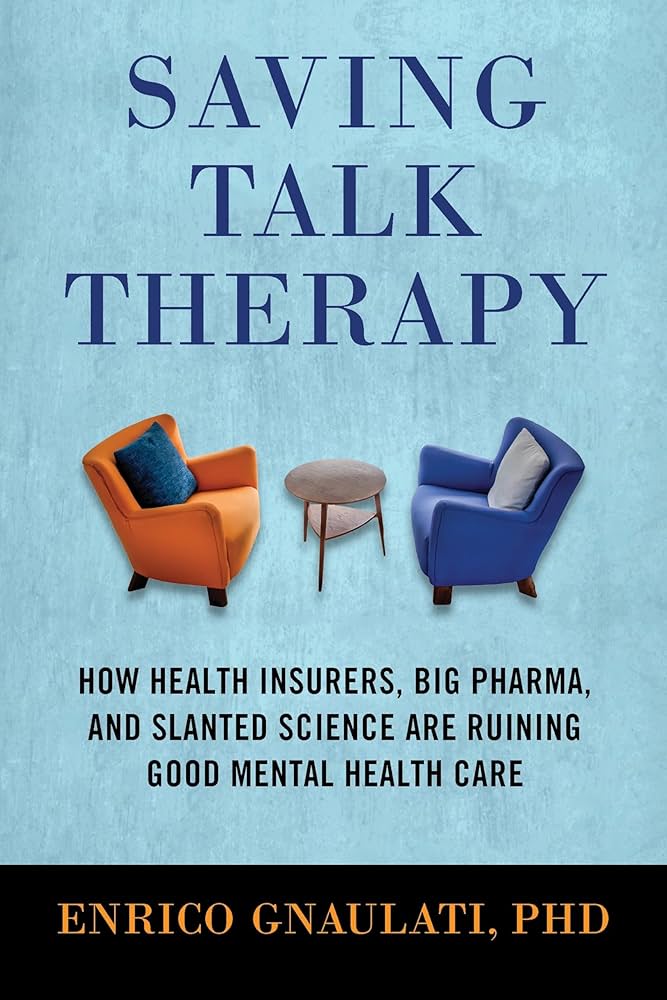
When traditional talk treatment stops working to resolve the ingrained trauma underlying eating conditions, specialized healing strategies can supply breakthrough recovery. For individuals dealing with binge eating problem, stress and anxiety, or the results of egotistical misuse, ingenious trauma-focused therapies are reshaping healing end results in profound ways.
Recognizing the Trauma-Eating Disorder Link
Online Talk Therapy - Mission Connection
The partnership in between distressing experiences and disordered consuming patterns runs much deeper than several recognize. Research study consistently shows that individuals with binge eating problem regularly have histories of complicated trauma, including emotional abuse, narcissistic partnerships, and chronic anxiety. The mind's feedback to unprocessed trauma often materializes through attempts to regulate overwhelming feelings with food-- producing cycles that typical dietary strategies alone can not break.
Derek Boucher
5/5
Brooke is fantastic! The hardest thing about finding a counselor is making sure that you and that person are a good fit, after having worked with Brooke for some time now it's hard to imagine that she wouldn't be a good fit with anyone that reaches out to her. She is easy to talk to, comforting caring and compassionate.
Trauma does not just stay in our memories. It becomes inscribed in the body and nerve system, activating automated responses that drive uncontrollable actions. This neurological truth describes why self-control and meal plans regularly fail without resolving the underlying injury style. Efficient treatment requires techniques that gain access to and reprocess these deeply saved stressful experiences at their neurological resource.
Brainspotting: Accessing Trauma With Visual Handling
Brainspotting represents among one of the most innovative breakthroughs in injury treatment over the past twenty years. This method identifies that where we look affects exactly how we feel-- and therapists educated in brainspotting usage this phenomenon to help customers gain access to and process traumatic memories saved in subcortical mind regions.
Throughout brainspotting sessions, specialists aid clients recognize specific eye placements that associate with distressing activation in the body. By maintaining focused interest on these "" brainspots"" while refining hard memories or feelings, clients can release trauma that verbal therapy can not reach. For people with binge eating problem, this method shows specifically beneficial since eating disorders commonly establish as coping systems for injuries that predate language or aware memory.
The somatic focus of brainspotting makes it specifically reliable for trauma survivors whose bodies have actually discovered to utilize food for emotional law. Instead than intellectually understanding injury, clients experience direct resolution of the anxious system dysregulation that drives uncontrollable consuming patterns.
Accelerated Resolution Treatment (ART) uses an additional effective device for injury survivors, especially those exhausted by years of processing without progress. This evidence-based method integrates aspects of eye motion therapy with volunteer photo substitute methods to help clients solve distressing memories in extremely few sessions-- usually in between one and 5.
What distinguishes ART from other injury therapies is its focus on changing just how stressful memories are kept without needing customers to vocally state uncomfortable information. For survivors of narcissistic abuse that might feel pity or self-blame around their experiences, this aspect of ART treatment gives vital mental safety. Customers can recover without re-traumatization via in-depth storytelling.
Have you ever heard of walk and talk therapy? 🚶♀️ It has been around, but not too many therapist currently offer it around me. I find that clients are able to open
The treatment functions by using bilateral eye movements to help with the mind's natural handling systems while the customer focuses on traumatic photos or experiences. With led visualization methods, clients then replace traumatic images with more adaptive photos, effectively reprogramming exactly how memories are stored and accessed. This method has actually shown specific assurance for people whose eating disorders established as feedbacks to partnership trauma or psychological misuse.
Specialized Trauma Treatment for Narcissistic Abuse Recuperation
Conceited misuse creates an one-of-a-kind kind of facility trauma that typical treatment approaches typically have a hard time to resolve successfully. The gaslighting, adjustment, and organized disintegration of self-worth inherent in narcissistic connections call for specific healing understanding. Many survivors create consuming disorders as they try to restore control in partnerships where their reality has actually been regularly denied or misshaped.
Trauma-informed specialists who focus on narcissistic abuse recovery understand that recovery requires even more than handling details incidents. Survivors require help restoring their feeling of fact, reconnecting with their instinct, and establishing healthy limits-- all while attending to the physical injury feedbacks that may manifest as disordered consuming, chronic anxiety, or hypervigilance.
Effective treatment for egotistical abuse survivors integrates psychoeducation concerning manipulation strategies with somatic methods that aid customers reconnect with their body's knowledge. This combination verifies important because narcissistic misuse especially targets targets' rely on their very own assumptions and feelings-- the actual sources required for user-friendly consuming and emotional guideline.
Incorporating Stress And Anxiety Treatment with Eating Problem Therapy
Anxiousness and eating problems exist in a bidirectional connection, each exacerbating the other in self-reinforcing cycles. Binge consuming episodes typically follow periods of extreme stress and anxiety, as food gives momentary alleviation from frustrating nerves activation. The after-effects of bingeing commonly activates more anxiety, pity, and physical stress and anxiety-- continuing the cycle.
Comprehensive anxiety treatment within injury therapy addresses these interconnected patterns at multiple degrees. Cognitive approaches assist customers recognize and test anxiety-driven thought patterns, while somatic strategies educate nervous system policy skills that lower the need for food-based coping. Exposure-based treatments progressively boost customers' capability to endure unpleasant feelings without turning to binge eating.
One of the most reliable anxiety therapy for consuming disorder recuperation identifies that trying to get rid of stress and anxiety entirely is both difficult and detrimental. Rather, therapy concentrates on establishing a healthier relationship with anxiousness-- discovering to experience it as information as opposed to emergency situation, and structure self-confidence in one's capability to ride psychological waves without numbing via food.
Discovering Specialized Therapy: What to Look For
Choosing a therapist or treatment center for injury and eating condition healing requires cautious consideration. The most effective suppliers provide numerous key components:
Trauma-informed treatment that recognizes eating conditions as flexible reactions to frustrating experiences as opposed to plain behavioral issues
Specialized training in evidence-based trauma processing techniques like brainspotting or ART treatment
Understanding of facility trauma presentations consisting of narcissistic abuse and developmental trauma
Combination of anxious system guideline methods together with cognitive and behavior strategies
Acknowledgment that healing takes place in connection, needing healing attunement and security
Adaptability to adapt treatment speed and methods to specific nerves ability
Companies like Ups And Downs Treatment in Seattle exemplify this comprehensive technique, using specialized injury treatment that addresses the complex relationships between previous experiences, present consuming patterns, and general psychological well-being. Their concentrate on evidence-based modalities combined with deep understanding of injury's physiological effects creates problems for genuine improvement as opposed to signs and symptom management alone.
Healing from trauma-related eating problems calls for patience, specialized support, and approaches that honor the profound methods injury forms both mind and body. While the trip needs courage and commitment, the assimilation of innovative trauma therapies uses wish for healing that resolves origin rather than surface area behaviors.
For people ready to relocate beyond the constraints of conventional strategies, looking for therapists learnt brainspotting, ART therapy, and egotistical misuse recovery can open up brand-new paths to freedom from both distressing pasts and disordered consuming patterns. The mind's remarkable capacity for recovery, when sustained by appropriate healing treatment, makes complete recovery not just feasible but increasingly probable.