Featured
Table of Contents
- – The Hidden Weight of Inherited Pain
- – Why Conventional Talk Therapy Often Falls Short
- – Somatic Therapy: Reconnecting Mind and Body
- – EMDR: Reprocessing Trauma at the Resource
- – The Perfectionism-Burnout Cycle
- – Partnership Disputes as Injury Reenactment
- – Finding Culturally-Informed Support
- – Starting Your Recovery Journey
Intergenerational trauma does not announce itself with excitement. It shows up in the perfectionism that maintains you working late into the night, the exhaustion that feels difficult to drink, and the partnership disputes that mirror patterns you vouched you would certainly never ever duplicate. For several Asian-American families, these patterns run deep-- passed down not with words, but via overlooked expectations, reduced feelings, and survival techniques that as soon as secured our ancestors and now constrain our lives.
The Hidden Weight of Inherited Pain
Intergenerational injury refers to the emotional and psychological injuries transmitted from one generation to the following. When your grandparents endured war, displacement, or persecution, their bodies found out to exist in a consistent state of hypervigilance. When your moms and dads immigrated and encountered discrimination, their nervous systems adapted to perpetual stress. These adaptations do not just vanish-- they end up being encoded in family characteristics, parenting styles, and also our biological tension responses.
For Asian-American neighborhoods specifically, this trauma often manifests through the design minority misconception, emotional reductions, and an overwhelming pressure to accomplish. You could find on your own incapable to celebrate successes, continuously relocating the goalposts, or sensation that rest equals idleness. These aren't individual failings-- they're survival devices that your worried system inherited.
Why Conventional Talk Therapy Often Falls Short
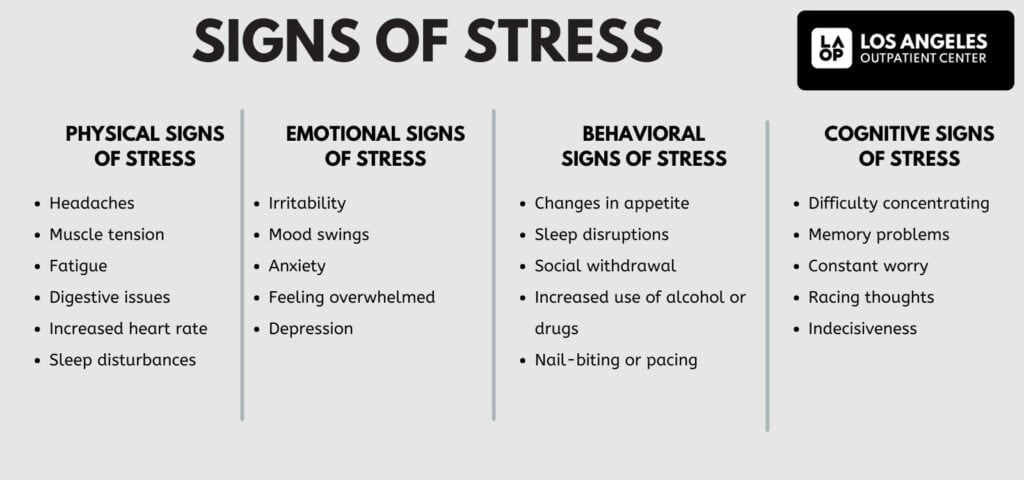
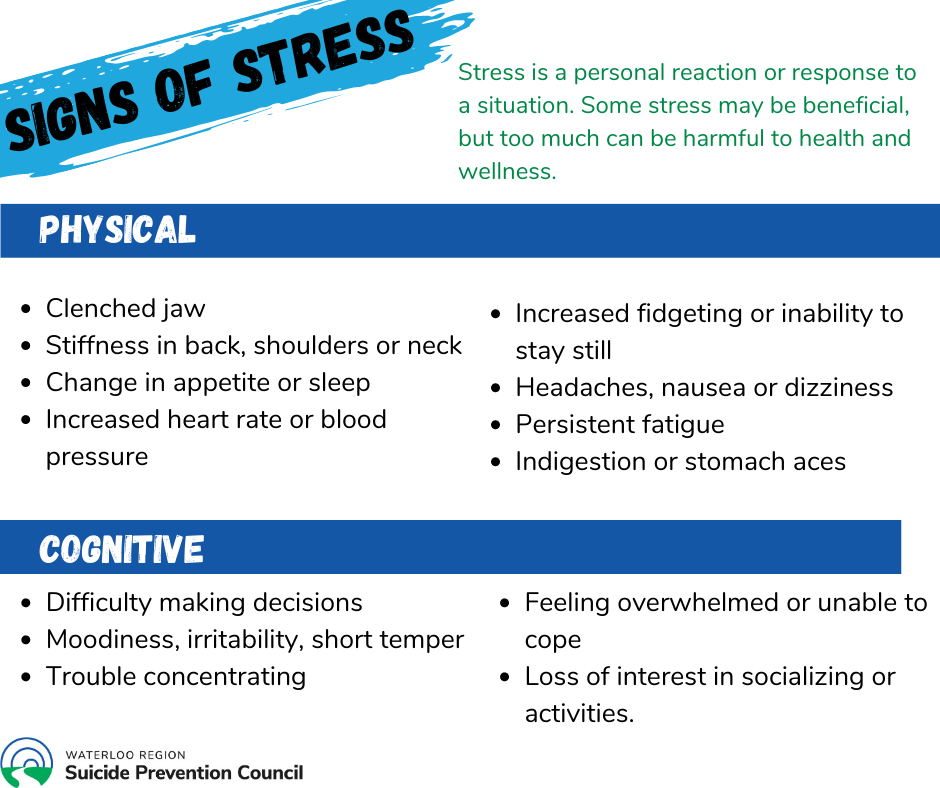
Several individuals spend years in conventional talk therapy reviewing their childhood, evaluating their patterns, and acquiring intellectual insights without experiencing meaningful modification. This happens because intergenerational injury isn't kept primarily in our ideas-- it resides in our bodies. Your muscular tissues keep in mind the stress of never being fairly sufficient. Your digestive system brings the stress and anxiety of unmentioned family assumptions. Your heart price spikes when you prepare for unsatisfactory someone vital.
Cognitive understanding alone can not release what's held in your worried system. You may understand intellectually that you are entitled to remainder, that your worth isn't connected to productivity, or that your moms and dads' criticism stemmed from their very own discomfort-- yet your body still responds with anxiousness, embarassment, or fatigue.
Somatic Therapy: Reconnecting Mind and Body
Somatic therapy comes close to trauma via the body as opposed to bypassing it. This therapeutic strategy recognizes that your physical sensations, movements, and nerves feedbacks hold vital details about unresolved trauma. Rather than just speaking about what occurred, somatic therapy assists you observe what's occurring inside your body right now.
A somatic specialist might assist you to observe where you hold tension when going over household expectations. They may aid you explore the physical feeling of anxiousness that emerges in the past vital discussions. Through body-based methods like breathwork, mild activity, or grounding workouts, you start to regulate your nerve system in real-time instead than simply recognizing why it's dysregulated.
For Asian-American clients, somatic treatment supplies particular advantages since it doesn't need you to vocally refine experiences that your culture might have educated you to maintain private. You can recover without needing to verbalize every detail of your family's discomfort or immigration story. The body talks its very own language, and somatic job honors that communication.
EMDR: Reprocessing Trauma at the Resource
Eye Motion Desensitization and Reprocessing (EMDR) stands for one more effective approach to healing intergenerational trauma. This evidence-based therapy uses bilateral excitement-- commonly directed eye movements-- to aid your brain reprocess terrible memories and acquired stress and anxiety reactions. Unlike standard treatment that can take years to generate results, EMDR frequently develops considerable shifts in fairly few sessions.
EMDR works by accessing the method injury gets "" stuck"" in your nerve system. When you experienced or absorbed intergenerational discomfort, your mind's regular handling devices were overwhelmed. These unprocessed experiences continue to cause present-day reactions that really feel out of proportion to current circumstances. Through EMDR, you can finally finish that handling, permitting your nerves to release what it's been holding.
Study reveals EMDR's performance expands past personal injury to inherited patterns. When you refine your very own experiences of objection, stress, or psychological overlook, you concurrently begin to disentangle the generational strings that produced those patterns. Numerous customers report that after EMDR, they can lastly establish boundaries with member of the family without crippling sense of guilt, or they notice their perfectionism softening without conscious initiative.
The Perfectionism-Burnout Cycle
Perfectionism and burnout develop a vicious circle particularly common amongst those bring intergenerational injury. The perfectionism commonly originates from an unconscious belief that flawlessness could finally earn you the genuine approval that felt lacking in your family members of beginning. You function harder, achieve more, and increase bench once more-- wishing that the next accomplishment will certainly silent the inner guide saying you're inadequate.
Yet perfectionism is unsustainable deliberately. It leads certainly to fatigue: that state of psychological fatigue, cynicism, and reduced performance that no amount of vacation time seems to heal. The exhaustion then triggers embarassment concerning not being able to "" manage"" whatever, which fuels much more perfectionism in an attempt to verify your well worth. Round and round it goes.
Breaking this cycle needs addressing the injury below-- the internalized messages concerning conditional love, the inherited hypervigilance, and the nerves patterns that equate remainder with risk. Both somatic treatment and EMDR stand out at disrupting these deep patterns, allowing you to lastly experience your fundamental merit without needing to earn it.
Partnership Disputes as Injury Reenactment
Intergenerational injury does not stay included within your specific experience-- it inevitably appears in your relationships. You might discover on your own brought in to companions who are emotionally not available (like a moms and dad who couldn't reveal affection), or you might come to be the pursuer, attempting seriously to get others to meet requirements that were never ever fulfilled in childhood years.
These patterns aren't conscious choices. Your nerve system is trying to understand old wounds by recreating similar characteristics, really hoping for a various result. Sadly, this generally indicates you wind up experiencing acquainted pain in your grown-up relationships: sensation undetected, combating about who's ideal instead of looking for understanding, or turning in between anxious attachment and psychological withdrawal.
Therapy that deals with intergenerational trauma aids you recognize these reenactments as they're taking place. It provides you devices to create different responses. When you heal the original wounds, you quit automatically seeking companions or creating dynamics that replay your family background. Your partnerships can become rooms of genuine link as opposed to trauma repeating.
Finding Culturally-Informed Support
Oakland, CAFor Asian-American people, dealing with therapists who understand social context makes a substantial distinction. A culturally-informed therapist recognizes that your connection with your moms and dads isn't merely "" snared""-- it shows social worths around filial holiness and family communication. They comprehend that your unwillingness to reveal emotions doesn't indicate resistance to therapy, yet mirrors social standards around psychological restriction and preserving one's honor.
Therapists specializing in Asian-American experiences can help you browse the special stress of honoring your heritage while likewise recovery from facets of that heritage that trigger pain. They recognize the pressure of being the "" successful"" child that raises the whole family, the intricacy of intergenerational sacrifice, and the certain ways that racism and discrimination substance family members trauma.
Starting Your Recovery Journey
Healing intergenerational trauma isn't about criticizing your moms and dads or declining your social history. It has to do with finally taking down problems that were never ever yours to bring in the first area. It's about allowing your nerve system to experience safety, so perfectionism can soften and burnout can recover. It has to do with creating relationships based on genuine connection instead than trauma patterns.
Couples TherapyWhether via somatic therapy, EMDR, or an incorporated strategy, recovery is feasible. The patterns that have actually run via your family for generations can quit with you-- not through self-discipline or even more achievement, however through thoughtful, body-based handling of what's been held for too long. Your youngsters, if you have them, won't inherit the hypervigilance you lug. Your partnerships can end up being resources of genuine nourishment. And you can ultimately experience rest without guilt.
The job isn't very easy, and it isn't quick. It is feasible, and it is profound. Your body has actually been waiting on the opportunity to lastly launch what it's held. All it requires is the ideal assistance to begin.

Table of Contents
- – The Hidden Weight of Inherited Pain
- – Why Conventional Talk Therapy Often Falls Short
- – Somatic Therapy: Reconnecting Mind and Body
- – EMDR: Reprocessing Trauma at the Resource
- – The Perfectionism-Burnout Cycle
- – Partnership Disputes as Injury Reenactment
- – Finding Culturally-Informed Support
- – Starting Your Recovery Journey
Latest Posts
Trauma Treatment for Healthcare Workers
ADD Assessment and Accurate Assessment
Validating Female-Identifying Individuals
More
Latest Posts
Trauma Treatment for Healthcare Workers
ADD Assessment and Accurate Assessment
Validating Female-Identifying Individuals